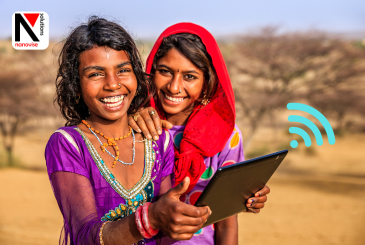
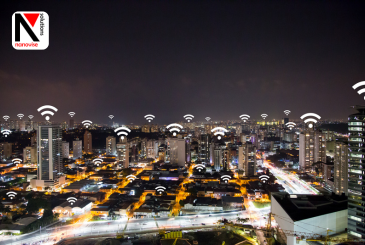
In a world where connectivity is a critical enabler of economic growth, education, and social development, the PMWANI (Public Wi-Fi Access Network Interface) initiative by the Indian government stands out as a game-changer in bridging the digital divide. Unlike traditional hotspots, PMWANI WiFi aims to provide affordable, reliable, and accessible internet services to the masses, transforming lives in urban and rural areas alike. In this article, we will explore the PMWANI WiFi concept, its unique features, and how it differs from conventional hotspots.
What is PMWANI WiFi?
PMWANI is a framework established by the Indian government to facilitate the proliferation of public Wi-Fi hotspots across the country. The initiative aims to provide high-speed internet connectivity to underserved communities and promote digital inclusion. Under the PMWANI model, a network of Public Data Offices (PDOs), Public Data Office Aggregators (PDOAs), and app providers work together to create a seamless and accessible internet ecosystem for users.
Key Differences Between PMWANI WiFi and Traditional Hotspots:
1. Accessibility and Affordability:
While conventional hotspots are often restricted to specific venues, such as cafes or airports, and may require users to purchase products or services to access the internet, PMWANI WiFi aims to be widely accessible in public spaces, including rural and underserved areas. By providing affordable and, in some cases, free internet access, PMWANI hotspots are designed to cater to a broader user base, ensuring that people from all walks of life can benefit from digital connectivity.
2. Scalability and Network Coverage:
Traditional hotspots are typically operated by individual businesses or venues, leading to fragmented and inconsistent network coverage. In contrast, PMWANI WiFi is designed to create a vast and unified network of hotspots, with seamless integration between PDOs and PDOAs. This approach ensures that users can easily connect to the internet across multiple locations and enjoy consistent, high-quality connectivity.
3. Regulatory Framework:
PMWANI WiFi operates under a government-backed regulatory framework that ensures the quality and security of the services provided. This framework includes stringent guidelines for PDOs, PDOAs, and app providers, which promote transparency and accountability. Traditional hotspots, on the other hand, are not subject to the same level of regulation and oversight, potentially resulting in varying levels of service quality and security.
4. Inclusive Ecosystem:
The PMWANI model encourages the participation of various stakeholders, including small businesses, local entrepreneurs, and community organizations, in the deployment and operation of hotspots. This inclusive approach helps create an ecosystem that fosters job creation, economic growth, and community development. In contrast, traditional hotspots are generally operated by a limited number of entities, often with a more commercial focus.
5. Integration with Government Initiatives and Services:
PMWANI WiFi is designed to integrate with various government initiatives and services, such as digital literacy programs, e-governance platforms, and telemedicine services. This integration ensures that users can access essential services and information through PMWANI hotspots, further promoting digital inclusion. Traditional hotspots, however, are not specifically designed to support such integrations, limiting their potential impact on social and economic development.
6. Enhanced Security and Privacy:
PMWANI WiFi offers enhanced security and privacy features compared to traditional hotspots, thanks to the regulatory framework and strict guidelines governing its operation. With advanced encryption protocols, secure user authentication, and robust network management, PMWANI hotspots provide users with a safe and secure environment to access the internet. This is especially crucial when dealing with sensitive information related to healthcare, education, and financial transactions.
7. Empowering Local Entrepreneurs:
A key differentiator of the PMWANI model is its emphasis on empowering local entrepreneurs by enabling them to set up and operate Public Data Offices (PDOs). This not only contributes to job creation and economic growth but also ensures that the WiFi hotspots are managed by individuals who understand the unique needs and challenges of their communities. In contrast, traditional hotspots are often managed by larger entities, which may lack the same level of local insight and community engagement.
8. Encouraging Innovation and Collaboration:
The PMWANI ecosystem encourages innovation and collaboration among stakeholders, including app providers, technology companies, and government agencies. By fostering an environment that promotes the development of new applications, services, and technologies tailored to the needs of the target communities, PMWANI hotspots can unlock the full potential of digital connectivity to improve lives. Traditional hotspots, on the other hand, may not provide the same level of opportunities for innovation and collaboration, limiting their overall impact on social and economic development.
Conclusion
With its unique features and differentiators, PMWANI WiFi offers a powerful alternative to traditional hotspots, with the potential to revolutionize digital connectivity in India. By prioritizing accessibility, affordability, inclusivity, security, and innovation, PMWANI hotspots can play a vital role in bridging the digital divide and promoting social and economic development across the country. As the PMWANI model continues to expand and evolve, it is poised to redefine the way we think about public Wi-Fi and its role in fostering a more connected, inclusive, and prosperous society.