PM WANI, Wi-Fi Hotspot
India’s Growing Digital Footprint: The Vision and Impact of Digital India
- By Nanovise
- No Comments
Introduction
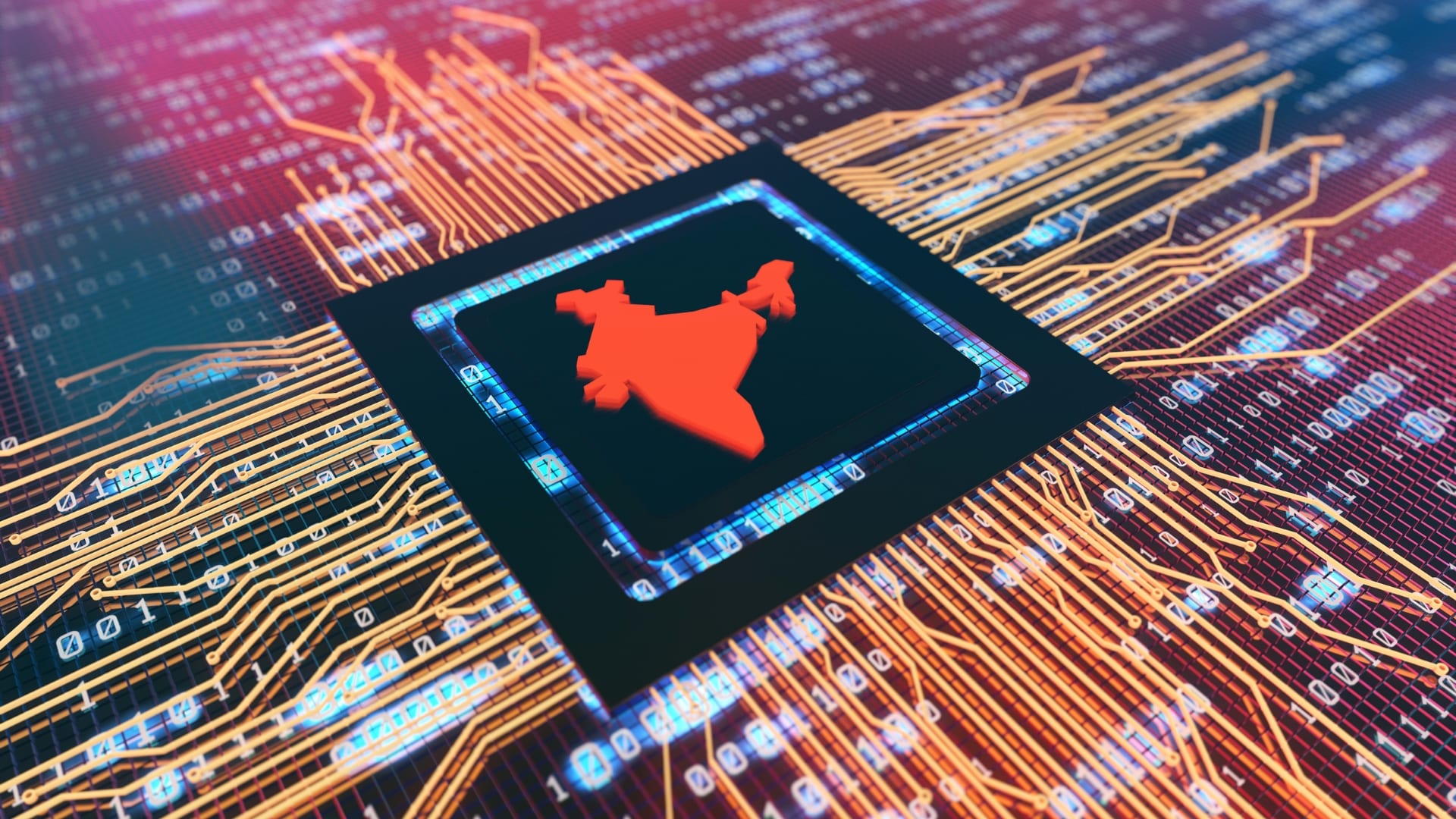
India, the world’s largest democracy, is undergoing a digital revolution that is reshaping its economy, governance, and society. At the heart of this transformation is the ambitious Digital India initiative, launched in 2015 with the vision of transforming India into a digitally empowered society and knowledge
economy. This article explores India’s expanding digital footprint and the profound implications of the Digital India program.
1. The Scale of India's Digital Growth
India’s digital landscape has experienced exponential growth in recent years:
- Internet Users: As of 2021, India had over 750 million internet users, making it the second-largest internet user base in the world after China.
- Smartphone Adoption: India has over 500 million smartphone users, with this number expected to reach 820 million by 2022.
- Digital Payments: The Unified Payments Interface (UPI) processed over 4 billion transactions worth ₹7.7 lakh crore in October 2021 alone.
2. Digital India: Vision and Pillars
The Digital India program aims to provide:
- Digital Infrastructure as a Utility to Every Citizen
- Governance and Services on Demand
- Digital Empowerment of Citizens
Key initiatives under Digital India include:
- BharatNet: Aims to provide broadband connectivity to all 2.5 lakh Gram Panchayats in India.
- DigiLocker: A platform for issuance and verification of documents and certificates digitally.
- Aadhaar: The world’s largest biometric ID system, with over 1.3 billion enrollments.
- UMANG: Unified Mobile Application for New-age Governance, offering over 1,200 digital services.
3. Impact on Governance and Public Services
Digital India has significantly improved governance and public service delivery:
- E-governance: Over 3,500 government services are now available online.
- Direct Benefit Transfer: Over ₹17 lakh crore has been transferred directly to beneficiaries’ bank accounts, saving an estimated ₹1.7 lakh crore by reducing leakage and increasing efficiency.
- Digital India Land Records Modernization Programme: Aims to computerize all land records, minimizing land disputes.
4. Economic Impact
The digital revolution is reshaping India’s economy:
- Digital Economy: Expected to reach $1 trillion by 2025, contributing up to 20% of India’s GDP.
- Job Creation: The IT sector employs over 4.5 million people directly and creates indirect employment for millions more.
- Startups: India has over 50,000 startups, with 42 unicorns added in 2021 alone.
5. Challenges and Future Outlook
Despite significant progress, challenges remain:
- Digital Divide: While urban areas have seen rapid digital adoption, many rural areas still lack basic digital infrastructure.
- Digital Literacy: A significant portion of the population lacks the skills to fully leverage digital technologies.
- Cybersecurity: With increased digitization, ensuring the security of digital systems and data privacy has become crucial.
Looking ahead, the government aims to:
- Achieve 100% internet connectivity across all villages by 2022.
- Promote emerging technologies like 5G, artificial intelligence, and the Internet of Things.
- Further boost digital payments and fintech innovations.
Conclusion
Digital India represents a transformative vision that is rapidly reshaping the country’s socio-economic landscape. As India’s digital footprint continues to expand, it promises to drive inclusive growth, improve governance, and enhance the quality of life for its citizens. While challenges remain, the momentum of India’s digital revolution suggests a future where technology acts as a great equalizer, bringing opportunities and services to every corner of this vast and diverse nation.
The success of Digital India will not only determine India’s economic trajectory but also serve as a model for other developing nations in harnessing the power of digital technologies for national development. As India moves forward on this digital journey, the world watches with keen interest, recognizing that the digital transformation of the world’s largest democracy could have far-reaching implications for the global digital landscape.
Related Post
Categories
Recent Posts
- PM-WANI PDO vs PDOA vs App Provider: Roles, Differences & How to Choose June 11, 2026
- How to Become a PM-WANI PDO in India (2026 Guide) June 11, 2026
- PM-WANI: What It Is And What It Is NOT December 10, 2025
- Government Funding for Public WiFi in the US, Canada, and the EU: Bridging the Digital Divide January 19, 2025
- Global Public WiFi Success Stories: Lessons Beyond India’s PM-WANI January 3, 2025
Nanovise.com © 2026. All rights reserved.