PM WANI, Wi-Fi Hotspot
Beyond 5G: Why PMWANI and WiFi Management Systems are Crucial for India’s Digital Future
- By Nanovise
- No Comments
Introduction
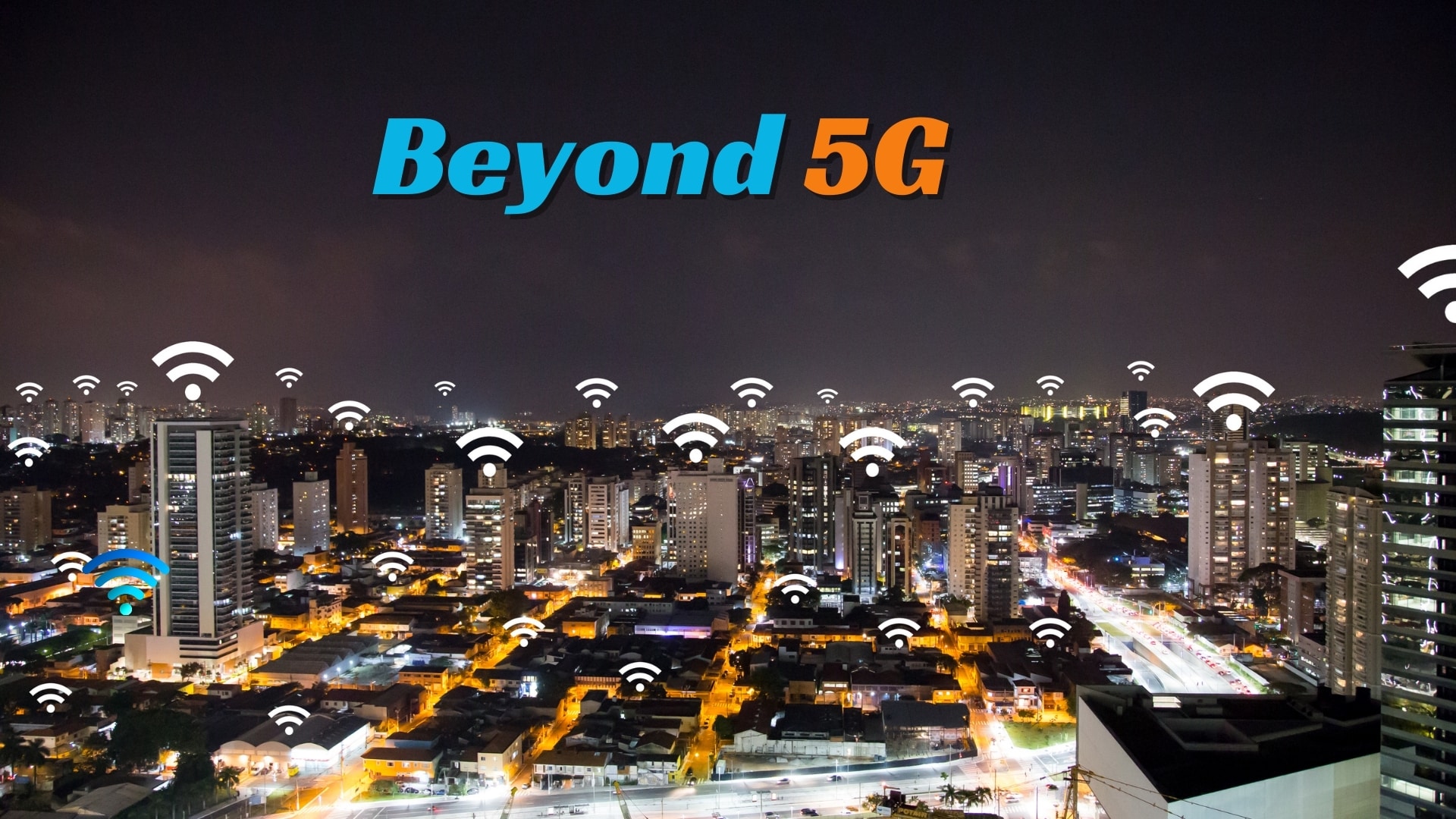
India, with its 1.4 billion population and diverse geography, faces unique challenges in achieving comprehensive digital connectivity. While 5G technology has been hailed as a game-changer globally, its implementation in India faces significant hurdles. This article explores why 5G alone is not sufficient for
India’s needs and how the PM Wi-Fi Access Network Interface (PMWANI), supported by advanced WiFi management systems like those offered by Nanovise, presents a more viable solution for India’s digital future.
Limitations of 5G in India
Despite the global buzz around 5G, several factors limit its effectiveness in the Indian context:
- Coverage challenges: India’s vast rural landscape makes it difficult and expensive to achieve widespread 5G coverage, potentially leaving many areas underserved.
- High implementation costs: The infrastructure required for 5G deployment is costly. According to industry estimates, the total cost of 5G deployment in India could be between ₹4.5-5.2 lakh crore ($60-70 billion).
- Spectrum allocation issues: India faces challenges in allocating sufficient spectrum for 5G services, which could impact service quality and speed. In the 2022 spectrum auction, Indian telecom operators spent about ₹1.5 lakh crore ($19 billion) on 5G spectrum alone.
- Device compatibility: Many existing devices in India are not 5G-compatible. 5G-compatible smartphones typically start from ₹10,000-15,000, which is still expensive for a large portion of the population.
PMWANI: A Better Solution for India
The PM Wi-Fi Access Network Interface (PMWANI) offers a more suitable alternative for India’s unique needs:
- Wider accessibility: PMWANI leverages existing WiFi infrastructure, making it easier to deploy in both urban and rural areas.
- Cost-effective: By utilizing WiFi technology, PMWANI can provide high-speed internet access at a fraction of the cost of 5G implementation. Enterprise-grade WiFi access points suitable for public deployments typically cost between ₹15,000 to ₹75,000 each, compared to 5G base stations which can cost ₹22 lakh to ₹1.8 crore each.
- Flexibility: PMWANI can work alongside other technologies, including 4G and future 5G networks, providing a more adaptable solution.
- Device compatibility: Most devices already support WiFi, eliminating the need for widespread hardware upgrades.
The Role of WiFi Management Systems
As India moves towards large-scale WiFi deployments through initiatives like PMWANI, efficient management of these networks becomes crucial. WiFi management systems play a vital role in ensuring:
- Seamless connectivity across multiple access points
- Optimal performance and load balancing
- Security and user authentication
- Real-time monitoring and troubleshooting
Companies like Nanovise specialize in providing advanced WiFi management solutions that can support the scale and complexity of nationwide WiFi initiatives.
How Nanovise Can Help
Nanovise, a WiFi management system company, offers several key benefits in supporting PMWANI and similar large-scale WiFi deployments:
- Centralized management: Nanovise’s solutions allow for centralized control of vast WiFi networks, simplifying operations and reducing maintenance costs.
- Intelligent load balancing: Their systems can dynamically distribute users across access points to ensure optimal performance.
- Advanced security features: Nanovise incorporates robust security measures to protect user data and prevent unauthorized access.
- Analytics and insights: Their platform provides valuable data on network usage, helping to inform future expansion and optimization efforts.
Conclusion
While 5G remains an important technology for India’s future, the immediate need for widespread, affordable internet access is better served by initiatives like PMWANI. By leveraging existing WiFi infrastructure and employing advanced management systems like those offered by Nanovise, India can more quickly and cost-effectively bridge its digital divide.
The combination of PMWANI and robust WiFi management solutions presents a pragmatic approach to India’s connectivity challenges. With 5G deployment costs estimated at ₹4.5-5.2 lakh crore, compared to the significantly lower costs of WiFi infrastructure, PMWANI offers a more economically viable path to digital inclusion.
As India continues to evolve digitally, this strategy can provide a strong foundation, complementing future 5G deployments and ensuring that no part of India is left behind in the digital revolution. The role of companies like Nanovise in managing these vast WiFi networks will be crucial in realizing the full potential of initiatives like PMWANI, ultimately bringing affordable and accessible internet to millions of Indians.
Related Post
Categories
Recent Posts
- PM-WANI PDO vs PDOA vs App Provider: Roles, Differences & How to Choose June 11, 2026
- How to Become a PM-WANI PDO in India (2026 Guide) June 11, 2026
- PM-WANI: What It Is And What It Is NOT December 10, 2025
- Government Funding for Public WiFi in the US, Canada, and the EU: Bridging the Digital Divide January 19, 2025
- Global Public WiFi Success Stories: Lessons Beyond India’s PM-WANI January 3, 2025
Nanovise.com © 2026. All rights reserved.