Understanding PMWANI in India
The Prime Minister Wireless Area Network Interface (PMWANI) is an ambitious initiative launched by the Indian government, aiming to revolutionize the country’s digital landscape. This novel project was envisioned to provide public Wi-Fi service through Public Data Office Aggregators (PDOAs) and Public Data Offices (PDOs). By democratizing internet access, PMWANI was expected to bridge the digital divide and drive socio-economic development across the nation.
A. The Promise of PMWANI
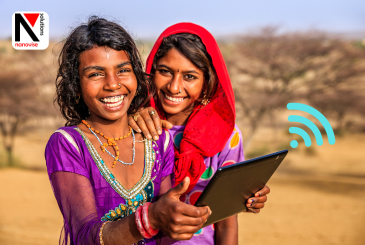
The PMWANI project was designed to address the digital disparity between urban and rural India. With over half of India’s population still offline, the initiative aimed to make internet access more affordable and widely available. By decentralizing the provision of internet services and allowing small entrepreneurs to become PDOs, PMWANI promised to stimulate local economies while expanding the country’s digital footprint.
B. The Challenges Facing PMWANI
Despite its potential, PMWANI has faced a series of challenges that have hindered its progress. These challenges can be broadly categorized into three areas: infrastructural, regulatory, and socio-economic.
C. Infrastructural Challenges
D. Regulatory Challenges
E. Socio-economic Challenges
Unraveling the Complexity of PMWANI's Challenges
The Infrastructure Deficit
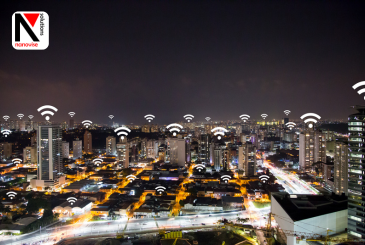
In urban regions, while the availability of electricity and internet backhaul is less of an issue, the density of Wi-Fi hotspots is a pressing concern. With the high population density and increasing demand for internet services, the current number of hotspots is inadequate. This situation results in network congestion and poor service quality, undermining user experience and the value proposition of PMWANI.
The Regulatory Maze
Socio-economic Roadblocks
Path Forward for PMWANI
To overcome these challenges and realize its full potential, PMWANI needs a multi-faceted approach.

A. Infrastructure Development
B. Regulatory Reforms
C. Digital Literacy and Affordability
Conclusion
In conclusion, while PMWANI is a promising initiative with the potential to revolutionize India’s digital landscape, it faces significant challenges. By addressing these challenges head-on and implementing a comprehensive strategy, PMWANI can achieve its goal of providing affordable, widespread internet access, empowering India’s citizens, driving the country’s digital economy, and bridging the persisting digital divide.
Related Post
Categories
Recent Posts
- PM-WANI PDO vs PDOA vs App Provider: Roles, Differences & How to Choose June 11, 2026
- How to Become a PM-WANI PDO in India (2026 Guide) June 11, 2026
- PM-WANI: What It Is And What It Is NOT December 10, 2025
- Government Funding for Public WiFi in the US, Canada, and the EU: Bridging the Digital Divide January 19, 2025
- Global Public WiFi Success Stories: Lessons Beyond India’s PM-WANI January 3, 2025
Nanovise.com © 2026. All rights reserved.